
Welcome to part two of the Loose Theories’ genre studies collection. The focus has shifted to a new scene for this edition- post-punk London. Smile End Music filled Brick Lanes’ Werkhaus last week with an epic selection of punk and indie bands for the ultimate gig. I took the opportunity to learn more about the movement and ask Smile End’s founder Lewis Budd’s view on the evolution of genre.
What does genre as a social construct mean to you?
The first word that comes to mind is community. Genre is used to create a subculture for people to talk,integrate and share ideas.Genre helps people define who they are, who they be with and who they love.
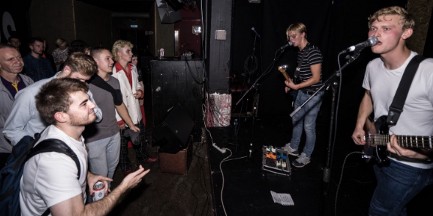
The evening at Werkhaus began with long strung notes, low minor chords and abstract riffs. Web brought an unexpected psychedelic element to the night, exploring the contrast with penetrating guitar slides, off beat interludes and raw vocals. It was uncomfortable yet satisfying- the constant change in drum patterns and tempo, with the obscurity of muted vocals. The performance was a journey through each instrument, a different language and some heavy bass drum.

What are the foundations of a new genre? Are they social, musical, political?
A combination of all three. Post-Punk isn’t new, if you look at the punk movement from the early seventies, there was a lot of civil rest against the Tories. That resonates now, with Brexit and the anarchic way of thinking. Genre is a way to identify yourself as a group or small subculture.
The Green Brothers continued the energy with a cocktail of harsh guitar riffs, major chords and an impressive vocal shift. This is music that expresses more than one emotion in each song, it’s realistic. The crowd loved it, with a scene of dancing and whistling in response to the funky bass lines.
‘’Madness vibes’’
What has changed for Post-Punk over the last fifty years? Are they positive changes? Or negative?
I think you can take two sides, there has been vast change in how we receive information and ideas, which has led to the progression of genre to become so rapid, people get more accustomed to what’s new and are always trying to build on what they’ve heard- everyone’s trying to take it to the next level all the time!
You can also say nothing has changed. A lot of the message in punk/rock is about political uncertainty and disparities in our social climate, very similar to the early English Punk movement. For example, the Sex Pistols with their expressive messages which can be seen in young bands touring the national circuit today.
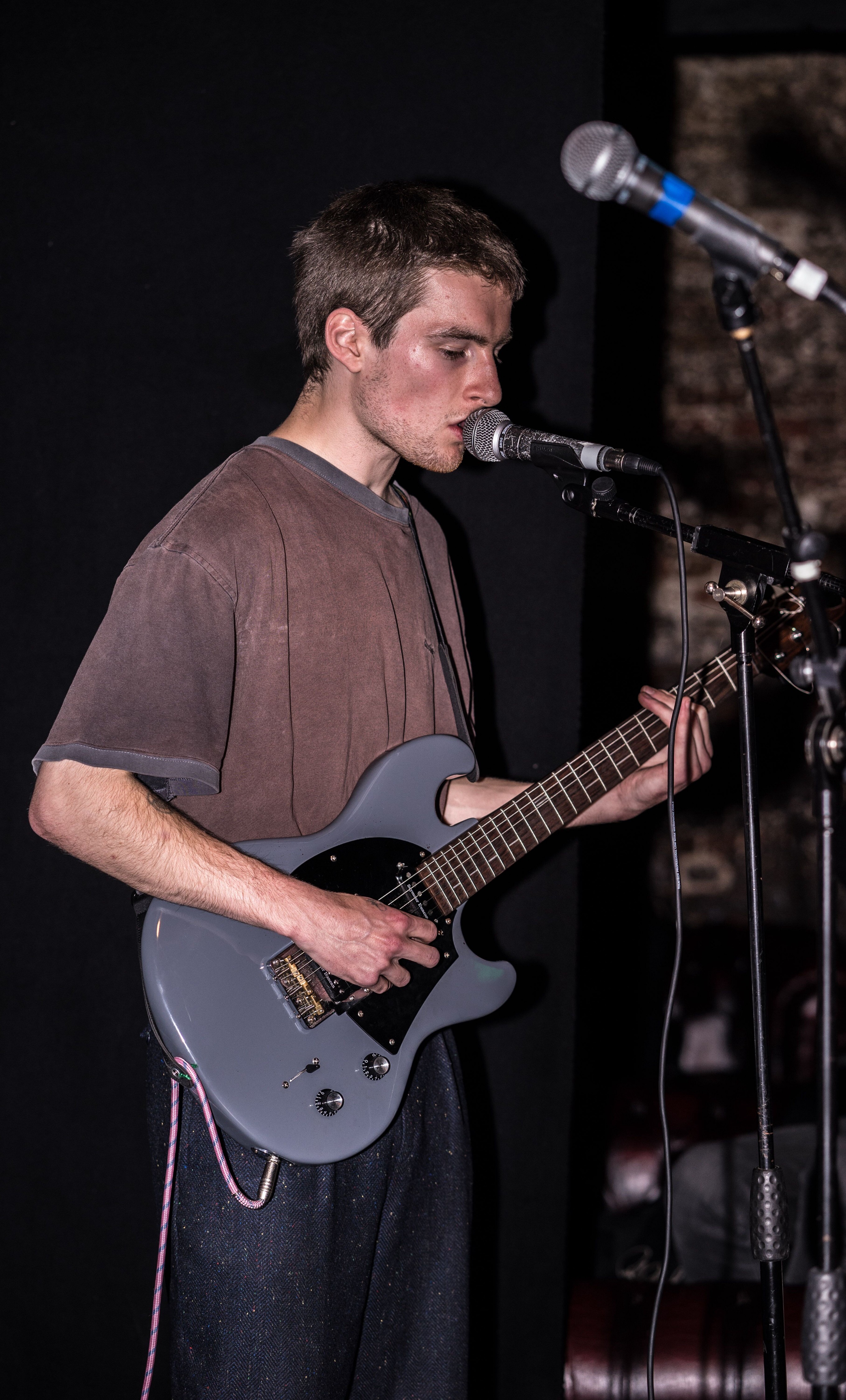
A high BPM and lighter chords filled the room when The Rills took over, sharing microphones and playing half beats to create the perfect build up to the energetic melodies of their set. The blend of soft and harsher vocals elicited a wave of emotion through the audience. The Rills ‘summer sound’ radiated across the whole room, and the crowd matched the passion on stage. Another great performance.
‘’All genres influence other genres’’.
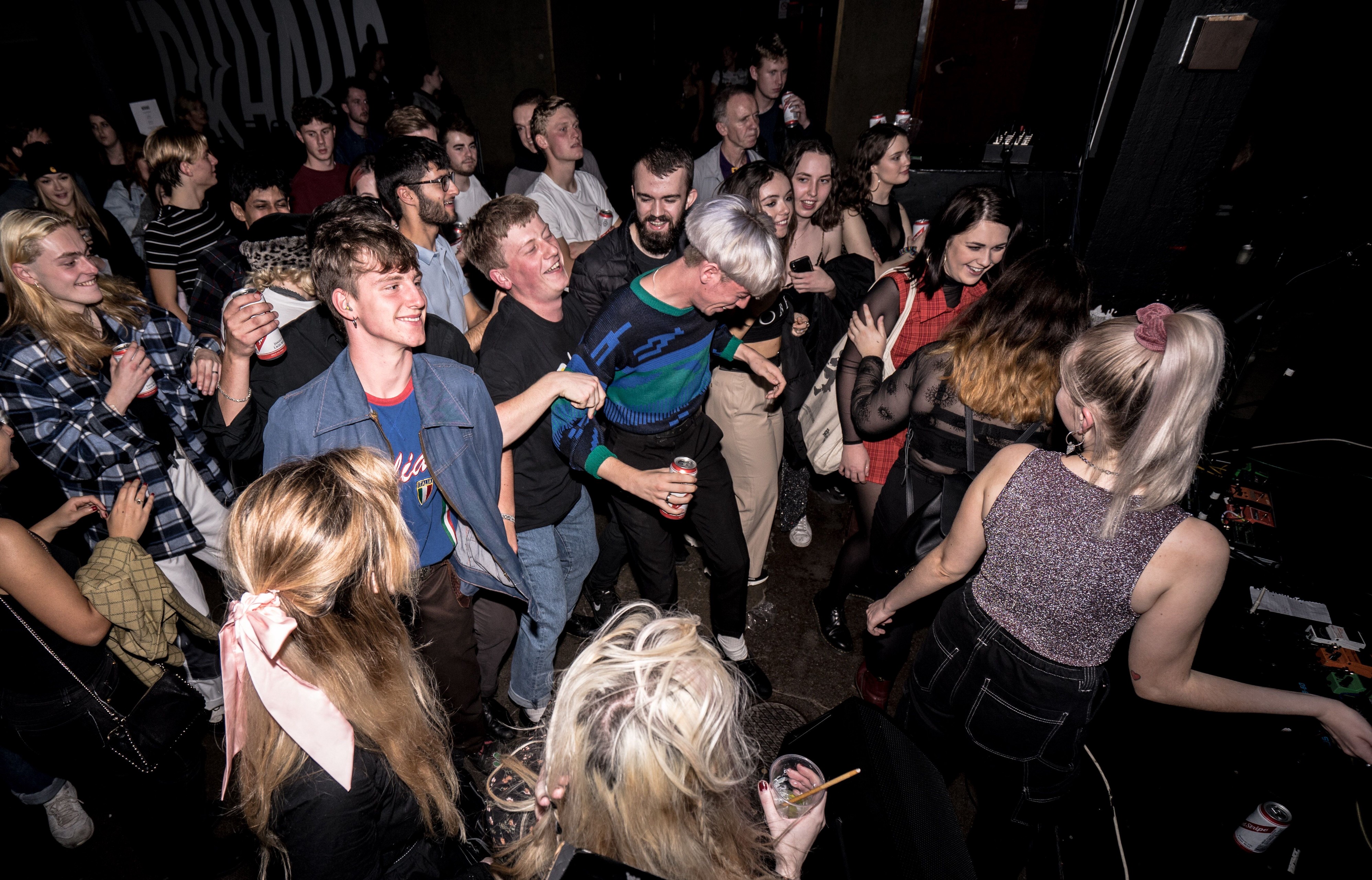
Glossi ended the night by transporting the audience back in time, with funky collared shirts, phenomenal stage presence and individual punk sound. The raw love for their music was obvious in every element of their performance- their crowd engagement, the instrumental skill, the powerful vocals. The crowd had so much energy, some people danced whilst others moshed, everyone getting involved. Lead singer Sofia, immersed the crowd further into their complex drums and strings by jumping down into the crowd during the set- to see her bring the music closer to us was compelling.

What do you think the future of ‘genre’ looks like?
I don’t think genres will ever become unrecognisable, it’s so characteristic of artists to want to be expressive, I feel people will always set themselves apart from something with a genre. Of course, people are going to overlap genres and change their sound, but in the industry we are always going to have artists bringing out music of a set genre(s).
 Loose Theories.
Leave a comment